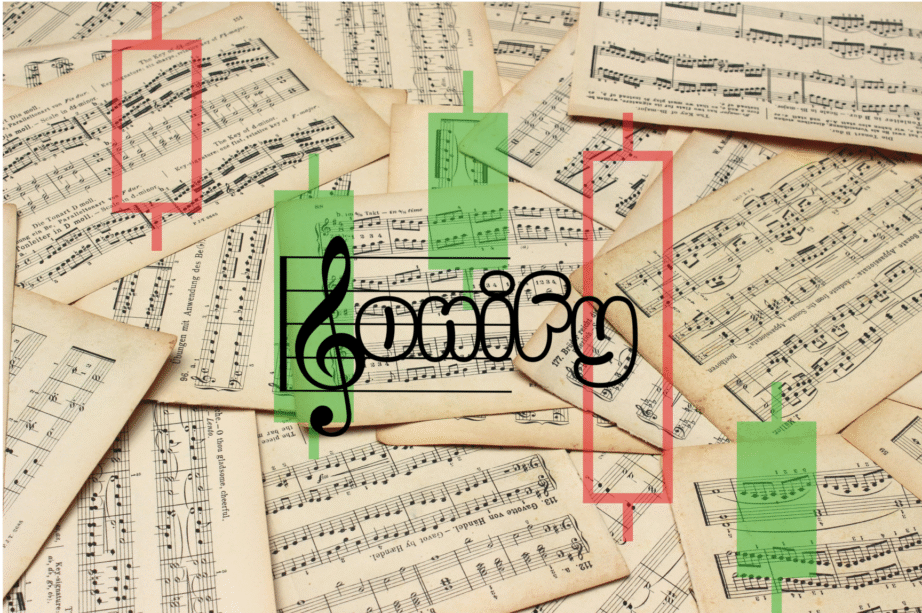
Commodities in Concert: An Introduction to Sonification
The world of trading often revolves around visual data representation such as charts and graphs. However, market sonification offers a revolutionary auditory perspective that transforms commodities like metals and energy into engaging auditory experiences. This innovative practice allows traders, analysts, and creatives to interpret market movement through sound, promoting a deeper understanding of market behaviors.
Mapping Market Data to Sound
At its core, market sonification involves converting financial data into auditory signals. This process can involve various techniques, including:
- Mapping Price Levels: Price levels can be associated with specific musical notes or octaves. For example, lower price levels might correspond to lower pitches, while higher prices could produce higher frequencies.
- Interpreting Momentum: The momentum of price changes can be reflected in the dynamics of sound. Increasing momentum can result in crescendoing volumes or faster rhythms, making it easier for traders to gauge market energy through auditory cues.
- Translating OHLC Data: Open, High, Low, Close (OHLC) data can be converted into MIDI signals, allowing for immediate representation of market fluctuations. For instance, a bullish market might translate into ascending melodies that evoke a sense of optimism.
The Role of Melody and Harmony
Melody and harmony can play significant roles in conveying complex market scenarios:
- Musical Melodies: By integrating melodic structure into sonification, traders can better capture trends over time. Ascending melodic lines may represent rising commodity prices, while descending lines could indicate downturns.
- Harmonic Rhythm: Rhythmic patterns can be derived from market volatility, with increasing volatility translating to faster rhythms. This rhythmic approach fosters a more intuitive grasp of fluctuations that might otherwise go unnoticed in visual representations.
Real-World Examples of Sonification in Trading
Real-world applications of sonification illustrate its potential in finance. Some notable examples include:
- Algorithmic Composition: Some traders use algorithms to convert real-time market data into live musical compositions. This dynamic interplay creates a unique price symphony that evolves just like the market.
- Sound-Based Alerts: Many trading platforms incorporate sound alerts that notify users of significant market changes, allowing for quick decisions based on auditory stimuli.
- Interactive Installations: Artists and technologists have explored interactive installations where market data influences audiovisual displays. This approach not only educates viewers on commodity trends but also transforms data into a form of creative expression.
The Impact on Traders and Analysts
Sonification can enhance decision-making for traders in several ways:
- Improved Accessibility: For those with visual impairments, market sonification can provide an alternative means to access and interpret financial data.
- Engagement and Intuition: Sound can create a more immersive experience, allowing traders and analysts to harness intuition. Listening to market data can spark creativity, aiding in the formulation of innovative strategies.
Practical Takeaways for Creatives
Creative professionals can benefit from understanding how to incorporate sonification into their projects:
- Exploring Data Instruments: Tools such as FFmpeg can be used to synthesize audio from data, opening new avenues for artistic exploration in the realm of market data.
- Collaborative Projects: Working with traders or analysts can spark interesting interdisciplinary collaborations, blending art and finance.
- Exhibitions and Performances: Organizing exhibitions where market sonification plays a key role can attract diverse audiences and promote discussions around data-driven art.
Future Directions in Market Sonification
The future of market sonification is bright, with growing interest in integrating audio with complex datasets:
- Machine Learning Applications: Machine learning may develop new methods to analyze market data sonically, refining auditory experiences.
- Enhanced Real-Time Analysis: As technology advances, the possibility of creating more complex and layered soundscapes based on real-time data will likely increase.
- Broader Demographics: Efforts can be made to tailor sonification techniques to serve educators, students, and the general public, promoting greater engagement with financial literacy.
Conclusion
Market sonification represents an innovative intersection between finance and art, offering diverse ways for traders, analysts, and creatives to engage with commodity data. The potential benefits for accessibility, intuition, and creative exploration make it an exciting field for further development.
To explore more about market sonification, consider checking out these resources: Investopedia: Sound Mappings, MIT Press: Music and the Market, ResearchGate: Sound in Education.