
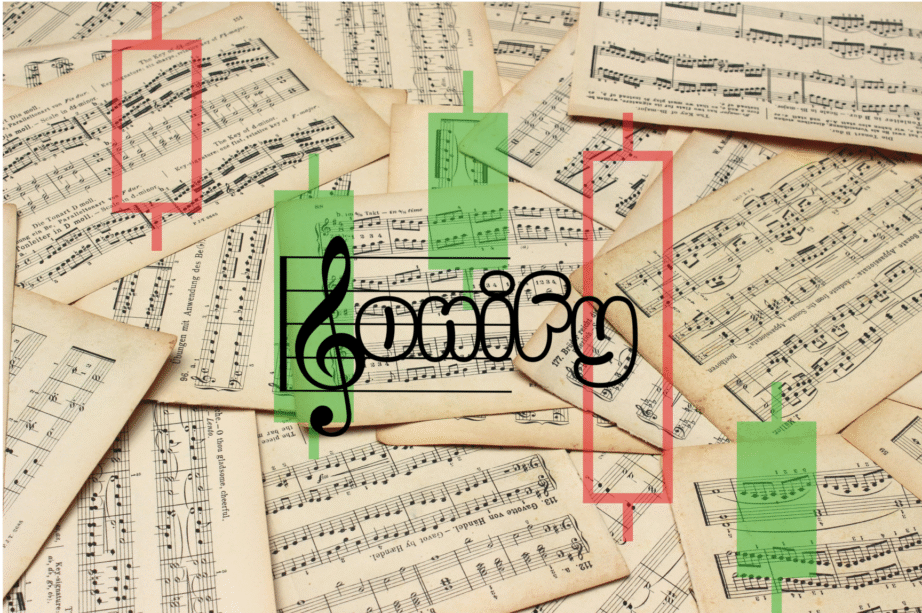
The Market Symphony: An Introduction to Market Sonification
In the world of trading, data and numbers often overshadow the human experience. Yet, through the innovative practice of market sonification, we can transform financial data into an auditory experience. By converting price movements, volatility, and trends into sound, traders, analysts, and creatives can gain a deeper understanding of market dynamics. This article explores how to build a multi-instrument audio representation of market layers, creating a harmonious blend of art and analytics.
Mapping Price Levels to Musical Notes
The essence of market sonification begins with mapping price levels or momentum to musical notes. This process involves assigning specific frequencies or notes to various price points—typically using a scale based on a chosen musical framework.
Assigning Frequencies
In a simple approach, price levels can be converted into audio frequencies. The higher the price level, the higher the frequency assigned:
- Low price levels might correspond to lower octaves (C4 or D4).
- Mid-range price levels can shift upward (E5 or G5).
- High price levels could reach even more elevated frequencies (B5 or C6).
This frequency mapping allows you to ‘hear’ market movements over time, providing an intuitive sense of price changes. To enhance this experience, multiple instruments can represent different stocks or assets, creating a market orchestra.
Using Tempo and Rhythm to Express Volatility
Volatility can be an important factor in trading decisions. By translating the rhythm or tempo of market movements, traders can better interpret periods of heightened market activity or stability.
Understanding Rhythm Patterns
As volatility increases, the tempo of the music should accelerate:
- Low volatility might produce a slow, steady rhythm.
- High volatility can yield a faster-paced and more chaotic beat.
This rhythmic interpretation not only captures the essence of trading activity but can also signal when to act or remain cautious. The tempo can serve as an auditory cue to reinforce traders’ gut instincts about market timing.
Translating OHLC Data into MIDI
Open-High-Low-Close (OHLC) data is a primary source of market information, and translating this data into MIDI formats expands the possibilities for sonification. MIDI allows for intricate note sequences, making it ideal for representing market trends and indicators.
Creating MIDI Patterns
OHLC data can be processed to create MIDI patterns based on:
- Opening prices generating the first note.
- High and low prices determining dynamic ranges of melody.
- Closing prices setting the concluding note.
Moreover, integrating additional indicators like Bollinger Bands can provide more nuance to the MIDI composition:
- Bollinger Bands can adjust the intensity or volume of each note.
- Prices outside of the bands can trigger dissonant sounds to indicate potential reversals.
This method enriches the auditory experience, making market trends more accessible and engaging.
Real-World Examples of Algorithmic Composition
Several innovative projects have taken the concept of market sonification into the real world. Notable examples include:
- Sonify: An application that converts market data into sound, helping users interact with trading charts in a new way.
- Marketscape: A platform that utilizes algorithmic composition to create music from financial data, inviting users to experience market dynamics through sound.
These projects demonstrate practical applications that merge finance and art, showing how traders and artists alike can leverage data sonification in unique ways.
Educational and Accessibility Benefits
Market sonification provides numerous benefits for education and accessibility:
Enhancing Understanding
By using sound to represent data, individuals can enhance their understanding of complex market behaviors:
- Visual learners may benefit from a secondary auditory layer.
- Auditory patterns can simplify data interpretation for those with visual impairments.
Encouraging Engagement
For artists and educators, incorporating sound into market analysis can promote greater engagement:
- Interactive soundscapes can assist students in retaining market concepts.
- Inviting creatives to collaborate fosters innovation in financial education.
As financial markets continue evolving, the fusion of data and art can inspire new approaches to analysis and engagement.
Practical Applications for Traders and Analysts
Building a multi-instrument audio representation of market layers can empower traders and analysts by providing:
- Real-time auditory feedback, enabling more instinctive decision-making.
- A new dimension for technical analysis, revealing patterns that may remain hidden in charts.
Moreover, as traders experiment with these soundscapes, they may uncover unique insights and gain a competitive edge. This creative exploration holds potential for redefining engagement with market data.
Conclusion
The practice of market sonification opens up exciting avenues for traders, analysts, and creatives alike. By turning data into sound, we generate a symphony of market movements that enriches the trading experience. As new tools and technologies emerge, the potential for multi-instrument audio to interpret financial information will only grow. Consider exploring these auditory expressions—whether for analysis, education, or creativity—and immerse yourself in the remarkable intersection of finance and sound.
For further exploration into market sonification, consider checking out these resources: Investopedia: Market Sentiment, PNAS – Using auditory displays, and MIT Technology Review: Data Sonification and Machine Learning.
2 thoughts on “The Market Symphony: Building Multi-Instrument Audio for Market Layers”