Introduction
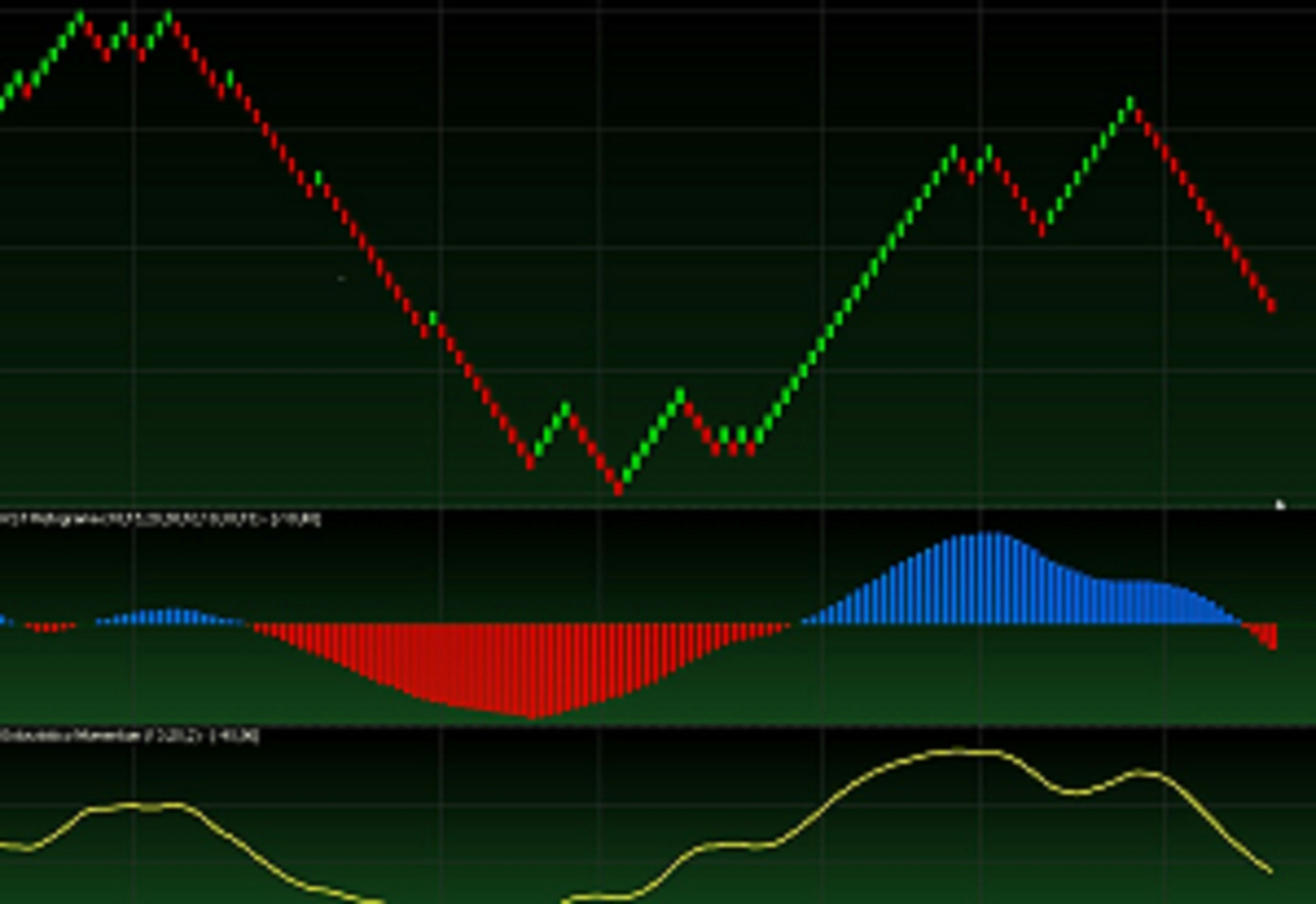
In the realm of trading, technical indicators serve as essential tools that assist traders in analyzing market conditions and making informed decisions. These indicators, which often derive their data from historical price movements, volume, and various mathematical calculations, can provide crucial insights into potential market trends. The purpose of these indicators is to aid traders in identifying entry and exit points, thereby enhancing the overall trading strategy and potentially improving profitability.
The intricate nature of financial markets invites traders to seek any advantage they can find. Consequently, many traders are drawn to the idea of utilizing multiple technical indicators in their approach. The allure of this method lies in the belief that a combination of signals can lead to higher accuracy and improved success rates in predicting market movements. However, while this strategy may appear advantageous on the surface, it often leads to an increased complexity that can cloud judgment and hinder decision-making. As traders layer one indicator upon another, the original signals may become obscured, making it challenging to discern clear trading opportunities.
Moreover, the overreliance on various indicators can lead to analysis paralysis, where the sheer volume of information results in indecision. Rather than enhancing one’s trading strategy, the use of excessive technical indicators can create confusion and potentially result in losses. It is essential for traders to strike a balance between utilizing valuable data and maintaining clarity in their trading process. Understanding the purpose of each technical indicator and recognizing its limitations is crucial for developing a sound trading strategy that prioritizes discernment and practical application.
Understanding Technical Indicators
Technical indicators are quantitative tools used by traders to assess market trends and price movements. They are derived from historical price data and trading volumes, providing statistical information aimed at predicting future market behavior. These indicators can be classified into two primary categories: leading indicators and lagging indicators. Leading indicators are designed to predict future price changes and often signal potential market reversals before they occur. Examples include the Relative Strength Index (RSI) and Moving Average Convergence Divergence (MACD). In contrast, lagging indicators aim to confirm trends after they have started, helping traders recognize the strength of a price movement. Common examples of lagging indicators are Simple Moving Averages (SMA) and Bollinger Bands.
Traders utilize these indicators not only to analyze current market conditions but also to formulate their trading strategies. For instance, some traders may rely heavily on leading indicators for short-term trading, as they provide early signals that can enhance entry and exit points. Others may prefer lagging indicators for more long-term strategies, as they help confirm established trends and reduce the risk of false signals. By integrating various indicators, traders aim to develop a comprehensive understanding of market dynamics, allowing them to make informed decisions.
However, it is important to note that relying on too many technical indicators can lead to analysis paralysis, where traders become overwhelmed by conflicting signals. As a result, maintaining a balanced approach to using technical indicators is essential. This entails selecting a few that align with one’s trading style and objectives, rather than a complex array that complicates the decision-making process. Effective use of technical indicators paves the way for better-informed trading strategies and ultimately supports the goal of maximizing potential returns while managing risks.
The Appeal of Multiple Indicators
The use of multiple technical indicators has become a prevalent practice among traders, driven by the belief that employing a diverse set of tools can enhance trading effectiveness. Traders are often drawn to this approach, assuming that combining various indicators will lead to better decision-making and increased chances of profitability. The rationale behind this appeal is rooted in the desire to obtain more comprehensive insights into market behavior. Many traders perceive that by leveraging different indicators, they can achieve a clearer picture and more accurate predictions of price movements.
Furthermore, traders frequently look for confirmation signals from a variety of indicators to bolster their confidence in making trades. For instance, if one indicator suggests a bullish trend while another supports the same conclusion, it can create a sense of reassurance about entering a position. This confirmation process helps to minimize apprehension and may lead to faster decision-making in volatile markets. The psychological aspect of trading cannot be understated, with many individuals believing that having multiple indicators at their disposal reduces risk and increases the likelihood of consistent returns.
Complexity
The use of technical indicators in trading is a common practice among traders aiming to enhance their decision-making process. However, the proliferation of indicators can lead to overwhelming complexity, which may ultimately hinder trading performance. When traders are inundated with a plethora of technical indicators, they often face analysis paralysis. This state occurs when an individual is overwhelmed by too much information, rendering them indecisive and unable to act promptly on trading opportunities.
An over-reliance on multiple indicators can create a situation where conflicting signals emerge, resulting in confusion rather than clarity. For instance, one indicator may suggest a buy signal while another indicates a sell signal, leaving the trader perplexed about which action to take. This disarray can result in missed opportunities as traders might delay their decisions, waiting for additional information that may never arrive. The fundamental purpose of technical indicators is to aid in decision-making, but excessive reliance can produce the opposite effect.
Moreover, the temptation to exploit every available technical indicator can lead to a false sense of security. Traders may become overly confident in their ability to predict market movements, while the complexity introduced by multiple indicators can cloud their judgment. Often, the focus shifts from understanding market dynamics to interpreting an intricate web of indicators, which may detract from the essence of trading: making informed decisions based on market trends and fundamental principles. Simplifying one’s approach to technical analysis can increase clarity and boost confidence in trading decisions.
In conclusion, it is essential for traders to evaluate their use of technical indicators critically. A more streamlined approach—preferably utilizing a few well-understood indicators—can reduce complexity, enhance decision-making efficacy, and ultimately lead to more successful trading outcomes.
False Signals and Noise
In the realm of trading, the reliance on an array of technical indicators can often lead to unfortunate consequences, primarily through the generation of false signals and market noise. Traders frequently employ multiple indicators in the hope that they will provide clearer insights into market trends and potential entry or exit points. However, the simultaneous use of various metrics can create a scenario wherein conflicting signals emerge. For instance, one indicator might suggest a bullish trend while another indicates bearish momentum, leading to confusion and indecision among traders.
This contradiction can result in false positives, where traders might mistakenly enter a position based on unreliable data, believing that the market is moving in their favor. Conversely, false negatives can occur if traders decide to exit or refrain from entering a position due to misleading signals. Such outcomes highlight the complexity and unpredictability of market behavior. Moreover, the presence of market noise—random fluctuations that do not indicate any meaningful trend—can further obscure genuine trading opportunities.
Traders relying on a plethora of technical indicators may fall into the trap of over-analyzing market data, becoming ensnared by noise that complicates decision-making. The abundance of available indicators can create an illusion of clarity, which is often misleading. To navigate this challenge, it is critical for traders to adopt a more streamlined approach, focusing on a select few indicators that they fully understand and that complement each other rather than conflict. By doing so, they can minimize the risk of falling prey to false signals and capitalize on authentic trading opportunities that present themselves in the market.
Dilution of Effective Analysis
In the realm of trading, one common pitfall that traders encounter is the tendency to rely on an excessive number of technical indicators. While these tools are designed to aid in market analysis, employing too many can ultimately dilute the effectiveness of one’s overall analysis. This dilution occurs primarily because an overabundance of indicators can create confusion and lead to conflicting signals. For instance, a trader might receive a bullish signal from a moving average crossover while simultaneously detecting bearish momentum from a relative strength index (RSI). Such contradictory messages can hinder decision-making and result in missed opportunities.
Furthermore, focusing on multiple indicators may cause traders to overlook the critical data that can more accurately inform their strategies. Each indicator has its own unique strengths and weaknesses, but when too many are applied simultaneously, they can produce an overwhelming amount of information. As a result, traders might find themselves spending excessive time trying to interpret this data rather than analyzing the market trends effectively. This scenario can lead to what’s known as analysis paralysis, a state where decision-making is paralyzed due to overthinking the myriad of signals presented.
Additionally, it is essential to recognize that relying heavily on technical indicators can shift a trader’s focus away from fundamental factors that may influence market behavior. While technical indicators offer valuable insights based on price movements and volumes, they do not always account for external influences such as economic news or geopolitical events. Consequently, a trader’s analysis may become skewed, as critical real-time information is overshadowed by an over-reliance on technical metrics. Thus, streamlining the number of indicators used in a trading strategy can lead to a more coherent and effective analysis, ensuring that traders remain focused on the most pertinent data to guide their decisions.
Overfitting and Historical Data
Overfitting is a significant concern in the realm of trading, especially when it comes to formulating strategies based solely on historical data. It occurs when a model is excessively complex, capturing noise rather than the underlying trend in the data it analyzes. Traders may inadvertently design strategies that perform exceedingly well with historical datasets, leading to misleading conclusions about their potential effectiveness in live markets.
The issue arises when traders attempt to account for every possible scenario by incorporating a plethora of technical indicators into their models. While this might seem to enhance decision-making capabilities, it can often lead to overfitting. A model that perfectly describes past prices and market behavior may not necessarily predict future movements effectively. The risk here lies in the assumption that past price patterns will replicate themselves, which is rarely the case in the dynamic financial markets.
Moreover, the reliance on historical data can make a trader blind to current market dynamics. Conditions such as economic shifts, geopolitical events, or sudden market sentiment changes are not always reflected in the historical data. By adhering strictly to a model crafted from past performance, traders place themselves at a disadvantage, as their strategies may falter in untested environments. This scenario can lead to substantial losses, as traders may find themselves unprepared for unforeseen developments.
To mitigate the risk of overfitting, it is crucial for traders to maintain a balance between complexity and adaptability in their trading strategies. Utilizing simpler models that focus on fundamental market principles can yield greater resilience. Adapting strategies to suit current market conditions and using historical data as one of many tools rather than the sole foundation can help prevent overfitting and improve long-term trading success.
Simplifying Your Approach
In the realm of trading, the overwhelming array of technical indicators can often lead to confusion and misinterpretation. Consequently, simplifying one’s approach can be both beneficial and effective. By concentrating on a select few indicators, traders can enhance their decision-making process and align their strategies more closely with their unique trading style.
When selecting technical indicators, it is crucial to choose those that not only reflect market conditions but also resonate with the trader’s forecast and goals. For example, a trader who focuses on short-term trades might find that momentum indicators, such as the Relative Strength Index (RSI), are more relevant than trend-following indicators like moving averages. This tailored selection allows for clearer signals and can prevent the paralysis that often accompanies an overload of data.
Additionally, traders should establish a clear understanding of how each chosen indicator operates. A deep familiarity with these tools enables traders to interpret signals accurately, contributing to more informed decisions. It is advisable to spend time experimenting with different indicators in a demo account, honing in on the ones that provide meaningful insights into market behavior.
Furthermore, incorporating price action analysis alongside technical indicators can lead to more comprehensive trade evaluations. This approach emphasizes the importance of actual price movements, ensuring that traders remain grounded in the reality of market dynamics rather than solely relying on numerical data. By combining techniques, traders can create a more systemic view of market trends.
In essence, streamlining the use of technical indicators promotes clarity in trading decisions, ultimately guiding individuals towards a more disciplined approach that enhances their overall trading performance.
Conclusion
In synthesizing the insights presented in this discussion, it becomes evident that the overuse of technical indicators can lead to confusion and misinterpretation in trading strategies. While technical indicators serve a vital role in technical analysis, relying on an excessive number can obscure market clarity. Traders may inadvertently suffer from analysis paralysis, unable to make timely decisions due to the overwhelming amount of information presented by multiple indicators.
Finding a balance between the application of technical indicators and the simplicity of a clear trading strategy is crucial. A well-defined approach that utilizes a select few indicators can provide valuable insights without inducing unnecessary complexity. Traders should focus on understanding the core principles of those indicators they choose to employ, ensuring they align with their trading objectives and risk tolerance.
Moreover, it is essential to remember that technical analysis is just one component of a comprehensive trading strategy. A successful trader incorporates various methodologies, including fundamental analysis and market sentiment considerations, to develop a holistic view of the trading environment. By prioritizing clarity and simplicity, traders can improve their decision-making process, thereby enhancing their overall trading performance. In light of the potential pitfalls associated with using too many technical indicators, refining one’s approach and focusing on quality over quantity can lead to more informed and effective trading outcomes.
Originally posted 2025-08-14 13:44:18.